
Discovering the Distinctive Characteristics of Teak Mahogany and Other Woods in Indian Carvings

Kallakurichi Wood Carving
Kallakurichi wood carving is a traditional craft that originates from the Kallakurichi district in Tamil Nadu, India. Known for its intricate designs and high-quality craftsmanship, Kallakurichi wood carvings often depict religious motifs, nature, and cultural symbols. The artisans in this region utilize local wood varieties, which contribute to the unique aesthetic and durability of the carvings.
Geographical Identification (GI) Code for Kallakurichi Wood Carving


The geographical identification code for Kallakurichi wood carving is a designation that helps in recognizing and protecting this traditional craft. This code ensures that the wood carving techniques and styles are preserved and promoted, highlighting the cultural heritage of the Kallakurichi district.
When you think of Indian wood carvings, the type of wood used is key to the quality and look of the finished piece. This blog post will take you through some of the most popular types of wood found in Indian craftsmanship. We will explore Teak, Mahogany, Rain Wood, and Banyan Tree wood. Each of these has distinct features that charm both artisans and enthusiasts alike.
Teak Wood: The Golden Standard Wood carvings in India
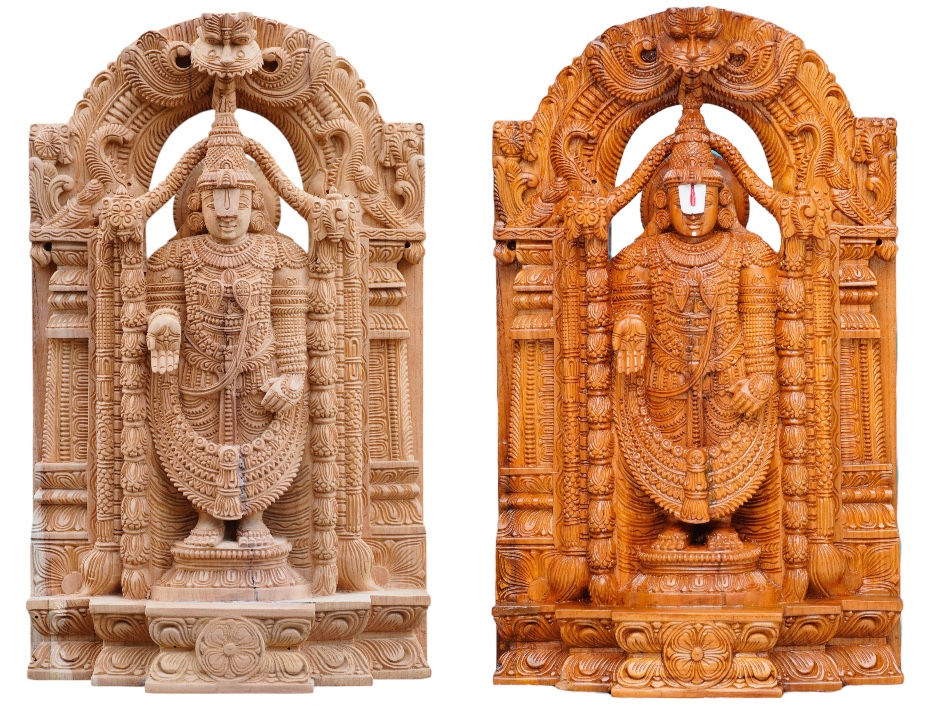
Teak wood (Tectona grandis) is often viewed as the top choice for durability in woodworking. Recognized for its natural oils, this wood is naturally water-resistant, making it perfect for outdoor furniture, boats, and high-quality carvings.
One of the standout features of teak wood is its stunning golden-brown color that deepens with age. For example, furniture made from teak can last over 50 years with minimal upkeep. The grain, which can be straight or wavy, adds unique character to every carving, enhancing its visual appeal.
Despite its many advantages, teak wood does come at a higher price point. Expect to pay between 50% and 40% more than for other woods, but many craftsmen consider this a worthwhile investment. The wood not only lasts longer but also requires less maintenance.
Mahogany Wood: The Classic Choice
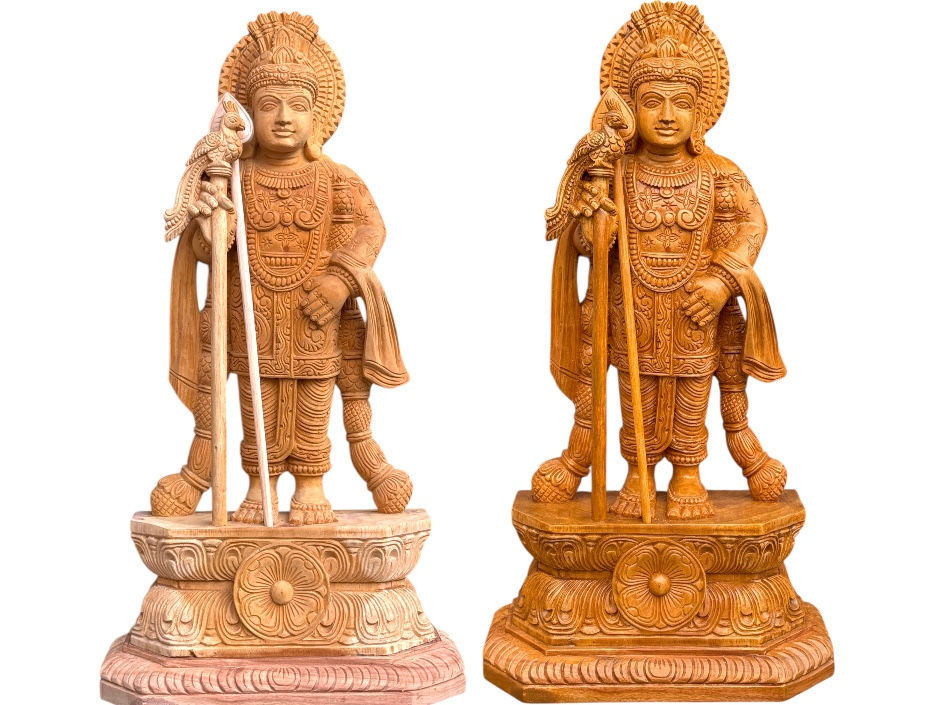
Mahogany wood (Swietenia macrophylla) stands out for its rich, reddish-brown hue and refined appearance. Its fine, interlocking grain makes it ideal for intricate carvings and detailed woodwork.
One of the key advantages of mahogany is how easy it is to work with. Artisans can shape and carve this wood effortlessly, which is why it has been a staple in Indian craftsmanship for generations. Mahogany's stability means it is less likely to warp or crack, providing longevity.
The cost of mahogany can be significant, varying based on availability, but it is generally regarded as an investment piece. Mahogany pieces often increase in value over time, making them a favorite for both collectors and homeowners.
Rain Wood: The Versatile Beauty
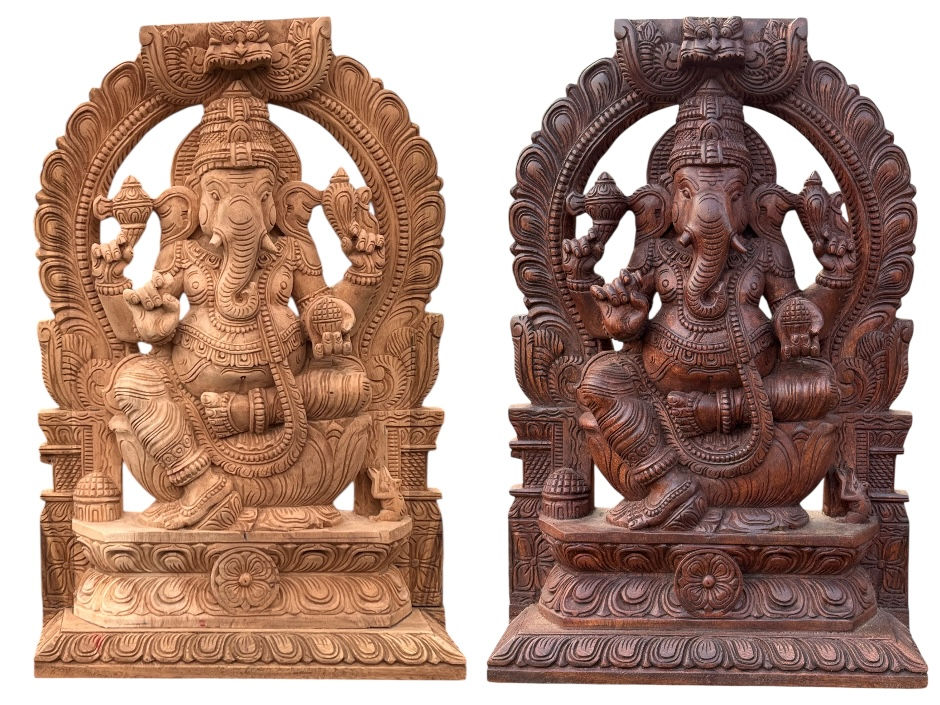
Rain wood, also known as Sheesham or Indian Rosewood (Dalbergia sissoo), is another excellent pick for wood carvings in India. This wood is celebrated for its striking golden-brown color, marked by darker streaks that create a stunning visual texture.
What sets rain wood apart is its affordability. Compared to teak and mahogany, rain wood prices are often 30% to 50% lower, making it more accessible for artisans and consumers looking for quality without overspending. It offers impressive strength and versatility, standing up well in various conditions, both indoors and outdoors.
Though not as water-resistant as teak, rain wood remains robust enough for most applications and is particularly well-suited for intricate designs. The rich grain and texture of rain wood enhance the beauty of any carving.
Banyan Tree Wood: Nature's Sculpture
Wood from the Banyan tree (Ficus benghalensis) is gaining traction in Indian wood carving. Known for its symbolic significance in various cultures, this wood offers a unique mix of strength and softness, making it an appealing choice for artisans.
The grain of banyan wood showcases fascinating patterns due to the tree's growth habits. While it may not match the durability of teak or mahogany, its lightweight nature allows for easy carving into intricate shapes.
Cost-wise, banyan wood is generally more affordable. This makes it a perfect choice for those interested in exploring various creative projects while sticking to a budget. The accessibility of banyan wood has encouraged numerous artisans to innovate with this fascinating material.
Closing Thoughts
Selecting the right wood for your carving projects is crucial as different types offer unique strengths and beauty. Whether you lean towards the durability of teak, the classic elegance of mahogany, the budget-friendliness of rain wood, or the distinctive textures found in banyan tree wood, each option brings something special.
The tradition of wood carving in India is rich and continues to evolve. By understanding the characteristics of these various woods, you can deepen your appreciation for this timeless art form. So, the next time you admire a beautifully crafted piece, reflect on the type of wood that made it possible. Knowing this can enhance your connection to the handcrafted treasures that enrich your space. Happy carving!


Comments